Streamline Your Kitchen Operations: 10 Business Optimization Examples
Discover practical business process optimization examples that can transform your kitchen operations and boost efficiency today.
In the competitive world of food service and hospitality, optimizing business processes isn't just a luxury—it's essential for survival. Whether you're running a bustling pizza joint, a cozy café, or a full-service restaurant, streamlining operations can mean the difference between thriving and merely getting by. The good news is that many effective optimization strategies are simple to implement and can yield immediate results. This article explores ten practical business process optimization examples that any food service business can adopt today to enhance efficiency, reduce waste, and improve customer satisfaction.
One of the most impactful areas to optimize is inventory management. Many kitchens struggle with overstocking perishable ingredients or running out of popular items unexpectedly. Implementing a just-in-time inventory system ensures you have what you need when you need it, minimizing waste while preventing stockouts. For instance, a pizza restaurant might track dough usage patterns to schedule preparation more precisely, while a café could monitor coffee bean consumption to roast smaller batches more frequently. This optimization not only reduces food waste but also improves cash flow by tying up less capital in inventory.
Menu engineering represents another powerful optimization opportunity. Analyzing your menu to identify which items generate the highest profit margins and which consume the most kitchen resources can dramatically improve your bottom line. Consider a burger restaurant that discovers certain burger combinations take significantly longer to prepare but don't command higher prices. By adjusting the menu to feature more efficient options or re-pricing complex items, the restaurant can increase throughput without sacrificing quality or customer satisfaction.
Kitchen layout and workflow optimization is particularly relevant for businesses with limited space. A well-designed workspace reduces unnecessary movement and speeds up service. For example, a momo preparation station should be positioned near cooking equipment and ingredients to minimize steps. Similarly, a bakery might arrange equipment in the order of production flow, from mixing to baking to packaging. Even small adjustments like relocating frequently used items to more accessible locations can save significant time over the course of a busy service.
Staff scheduling optimization ensures you have the right number of team members at the right times, without overstaffing during lulls. Many food service businesses lose money by maintaining peak staffing levels throughout the day. By analyzing historical sales data and customer traffic patterns, you can create more efficient schedules that align staffing levels with demand. For instance, a chowmein restaurant might schedule extra staff during dinner rush hours while reducing staff during traditionally slower periods, maximizing labor productivity.
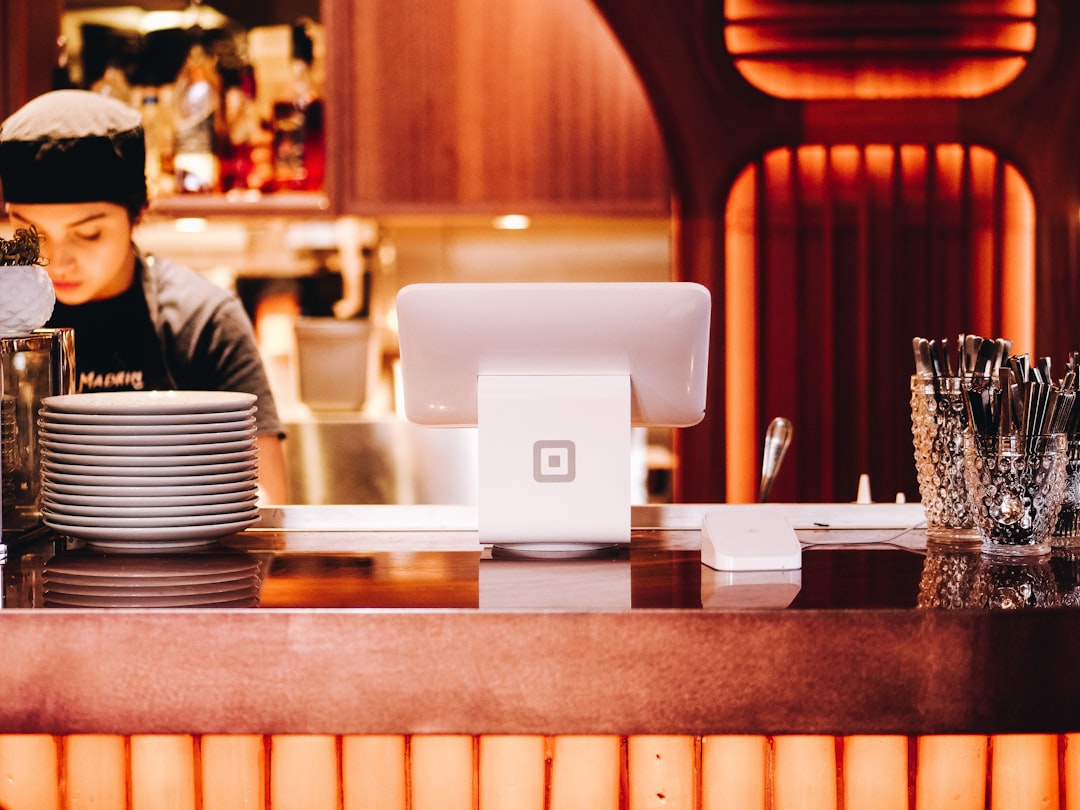
Digital order processing systems can revolutionize how your business handles orders. Implementing a point-of-sale (POS) system that integrates with kitchen display systems eliminates order entry errors and speeds up communication between front and back of house. For a coffee shop, this means baristas receive precise orders instantly, reducing mistakes during busy morning rushes. For a restaurant, it means kitchen staff can start preparing orders as soon as they're placed, rather than waiting for tickets to be printed and delivered.
Supplier relationship management often gets overlooked as a process optimization opportunity. Building strong relationships with your suppliers can lead to more reliable delivery schedules, better pricing, and higher quality ingredients. A pizza restaurant might negotiate for weekly deliveries of cheese and toppings rather than multiple smaller orders throughout the week, reducing receiving time and ensuring consistency. Similarly, a tea house could work directly with importers to secure premium leaves at better prices, enhancing product quality while improving margins.
Energy usage optimization is particularly important for businesses with significant cooking equipment. Simple changes like scheduling oven maintenance, using energy-efficient appliances, and implementing pre-set cooking temperatures can reduce utility costs substantially. A bakery, for example, might install programmable thermostats for ovens and proofing cabinets to maintain precise temperatures automatically. Even small adjustments like keeping refrigerator doors closed as much as possible can lead to noticeable savings over time.
Customer feedback collection and response systems represent a valuable optimization opportunity. Many businesses collect feedback but fail to act on it systematically. Implementing a structured process for gathering, analyzing, and responding to customer input can lead to meaningful improvements. A café might use digital feedback kiosks to collect real-time responses about beverage quality and service speed, then share insights with staff during briefings. This continuous improvement cycle helps identify issues before they impact customer loyalty.
Training standardization ensures consistent quality and efficiency across your team. Developing detailed standard operating procedures (SOPs) for key tasks like preparing coffee drinks, cooking pizza to specification, or handling customer complaints can significantly improve performance. A burger restaurant might create visual guides for assembling each menu item, while a tea house could document precise brewing times and temperatures for different varieties. Standardization reduces variability, speeds up training for new hires, and ensures consistent customer experiences.
Finally, waste tracking and reduction systems can uncover hidden inefficiencies in your operations. Many kitchens generate more waste than necessary due to improper storage, over-preparation, or simple carelessness. Implementing a simple waste tracking system—such as weighing and categorizing discarded food—can reveal patterns and opportunities for improvement. A pizza restaurant might discover that certain vegetable toppings spoil before use, prompting smaller, more frequent orders. A bakery might notice that certain pastries consistently go unsold, allowing for adjustments in production quantities.
These ten business process optimization examples demonstrate that improvement doesn't always require massive investment or complex systems. By focusing on practical, implementable changes in inventory management, menu engineering, workflow design, staffing, technology adoption, supplier relationships, energy use, customer feedback, training, and waste reduction, any food service business can enhance efficiency and profitability. The key is to start small, measure results, and continuously refine your processes based on what works best for your specific operation.