How Food Businesses Use Consumer Insights to Stay Ahead
Discover how successful food establishments analyze customer preferences to make strategic decisions about their menu and operations.
In today's competitive food industry, understanding consumer preferences isn't just beneficial—it's essential for survival and growth. The most successful restaurants, cafes, and food businesses don't just guess what their customers want; they actively gather and analyze market insights to inform every strategic decision. From menu development to inventory management, consumer data shapes the way forward.
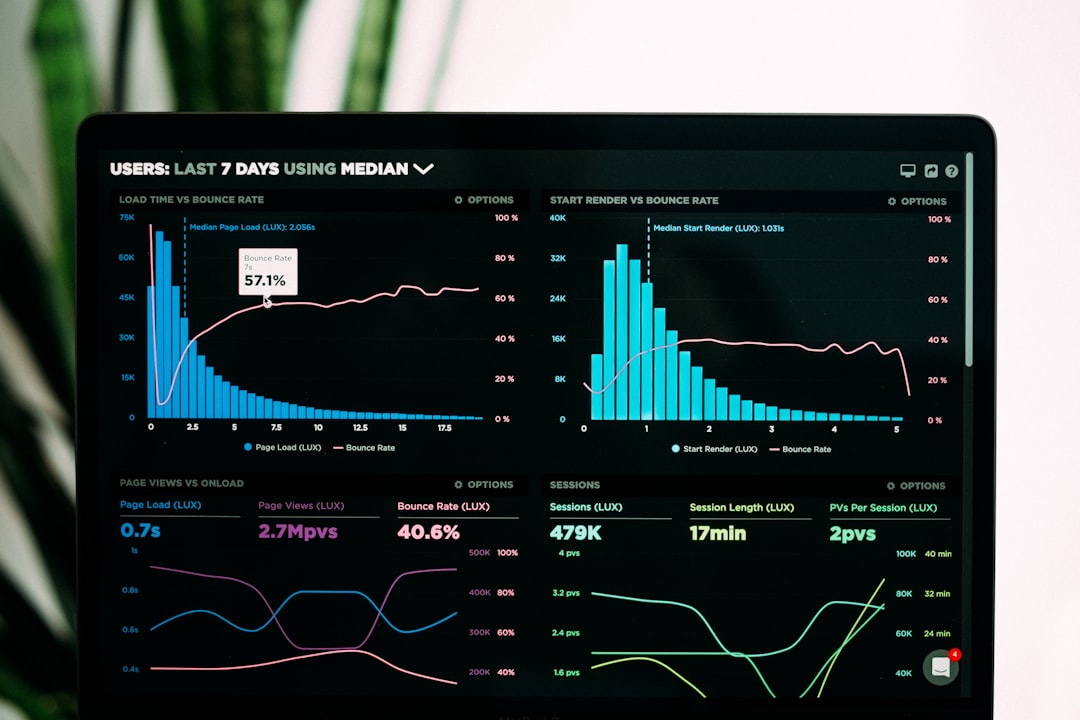
Consumer market insights refer to the information businesses collect about their target audience's preferences, behaviors, and needs. This data can come from various sources including customer feedback, sales trends, social media interactions, and demographic information. By systematically collecting and analyzing this information, food businesses can identify patterns that might otherwise go unnoticed.
One of the most valuable applications of consumer insights is in menu development. When a pizzeria notices that their margherita pizzas outsell all other options by a significant margin, they might consider expanding their pizza offerings or creating a signature margherita variation. Similarly, if a coffee shop discovers that customers frequently request plant-based milk alternatives, adding oat or almond milk options could attract a larger customer base.
Seasonal trends also play a crucial role in food business strategy. A bakery might analyze sales data to discover that gingerbread cookies sell exceptionally well during the holiday season, prompting them to increase production and develop festive packaging. Meanwhile, a momo shop might notice higher demand during colder months, leading them to introduce a hearty soup pairing to complement their dumplings.
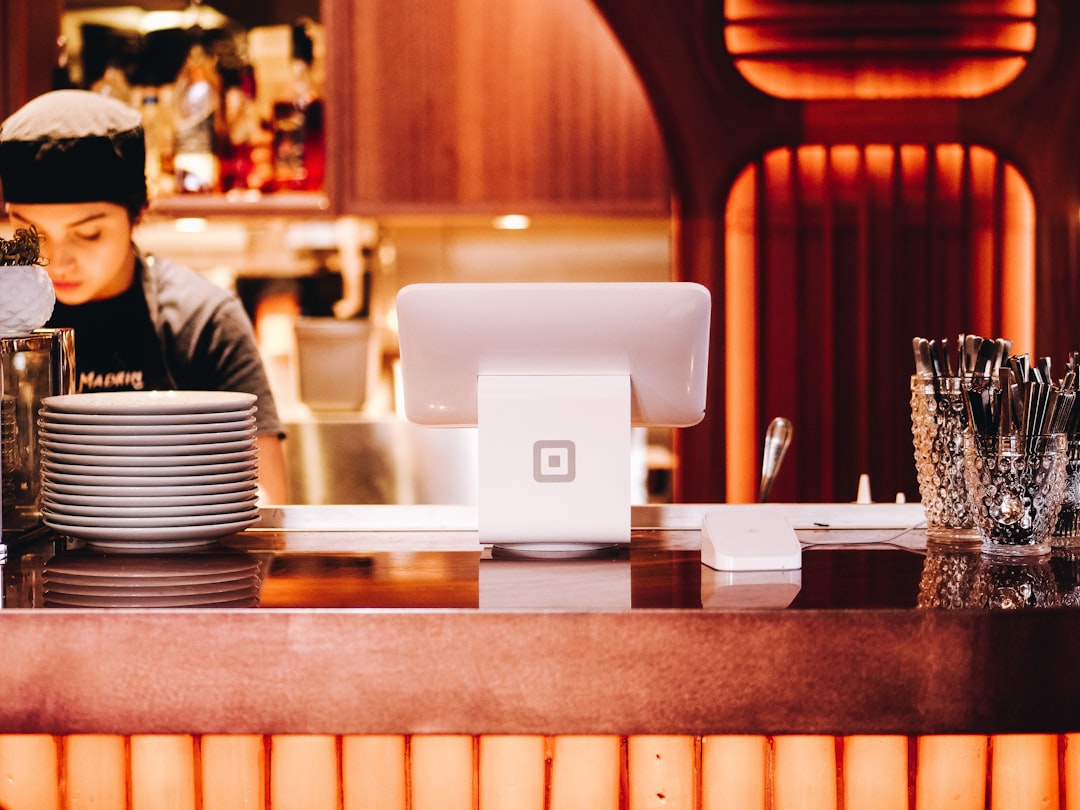
Technology has revolutionized how food businesses gather consumer insights. Point-of-sale systems now track not just what items sell, but when they sell, and to which customer segments. Social media listening tools can capture real-time feedback about customer experiences. Online reservation platforms provide valuable data about party sizes and dining preferences. These technological tools enable businesses to make data-driven decisions with unprecedented precision.
The beverage industry offers another compelling example of consumer insights in action. A tea shop that notices customers increasingly ask for matcha-based drinks might introduce a new line of matcha beverages or create a signature matcha latte. Similarly, a coffee shop that identifies a trend toward cold brew during summer months could optimize their cold brew brewing process and develop promotional strategies around this popular offering.
Inventory management is another area where consumer insights prove invaluable. By understanding which items sell quickly and which linger, food businesses can optimize their purchasing to reduce waste and improve profitability. A burger restaurant might discover that their plant-based burgers are becoming increasingly popular, prompting them to adjust their ingredient orders accordingly. This data-driven approach helps businesses maintain freshness while minimizing costs.
Staff training also benefits from consumer insights. When a business identifies common complaints or frequent questions, they can develop targeted training programs to address these issues. For example, if customers frequently express confusion about menu items, staff training could focus on effective communication and menu knowledge. This not only improves customer satisfaction but also enhances the overall dining experience.
The most successful food businesses understand that consumer insights should inform a continuous improvement cycle. Regularly analyzing customer feedback and sales data allows businesses to adapt to changing preferences and stay ahead of trends. This iterative approach ensures that menu offerings, operational procedures, and customer experiences remain relevant and appealing in an ever-evolving market.
In conclusion, leveraging consumer market insights is no longer optional for food businesses—it's a strategic imperative. By systematically gathering and analyzing customer preferences, behaviors, and feedback, food establishments can make informed decisions that drive growth, improve profitability, and enhance customer satisfaction. In an industry where tastes and trends change rapidly, those who listen to their customers are best positioned to succeed.